Instead of a paper ticket - a mobile application
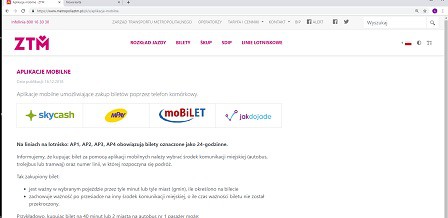
Convenient, very simple, and express. This is the way, how mobile applications operate, enabling the purchase of tickets for the ZTM urban transport. We encourage to use mobile applications, in which tickets for the public transport, organised by the Metropolitan Transport Authority (ZTM), are available. They allow a more convenient use of urban transport services, which organisers stronger and stronger count on innovation.
The ticket purchased via a smartphone has the same price as an e-ticket for a ŚKUP card and is slightly cheaper than a paper ticket. To be able to use this ticket form it is necessary to install one of four applications, with which the ZTM cooperates.
During an inspection you should present a device with an open application and with an appropriate tab - so that the ticket inspector could read all the necessary information. We should also remember, that a ticket validated at the moment of inspection is not valid and means that an additional charge will be imposed.
Applications, with which the Metropolitan Transport Authority (ZTM) cooperates:
- moBILET,
- Skycash,
- Jakdojade,
- mPay.
They are available both in a version for Android and iOS.
We encourage to use them!
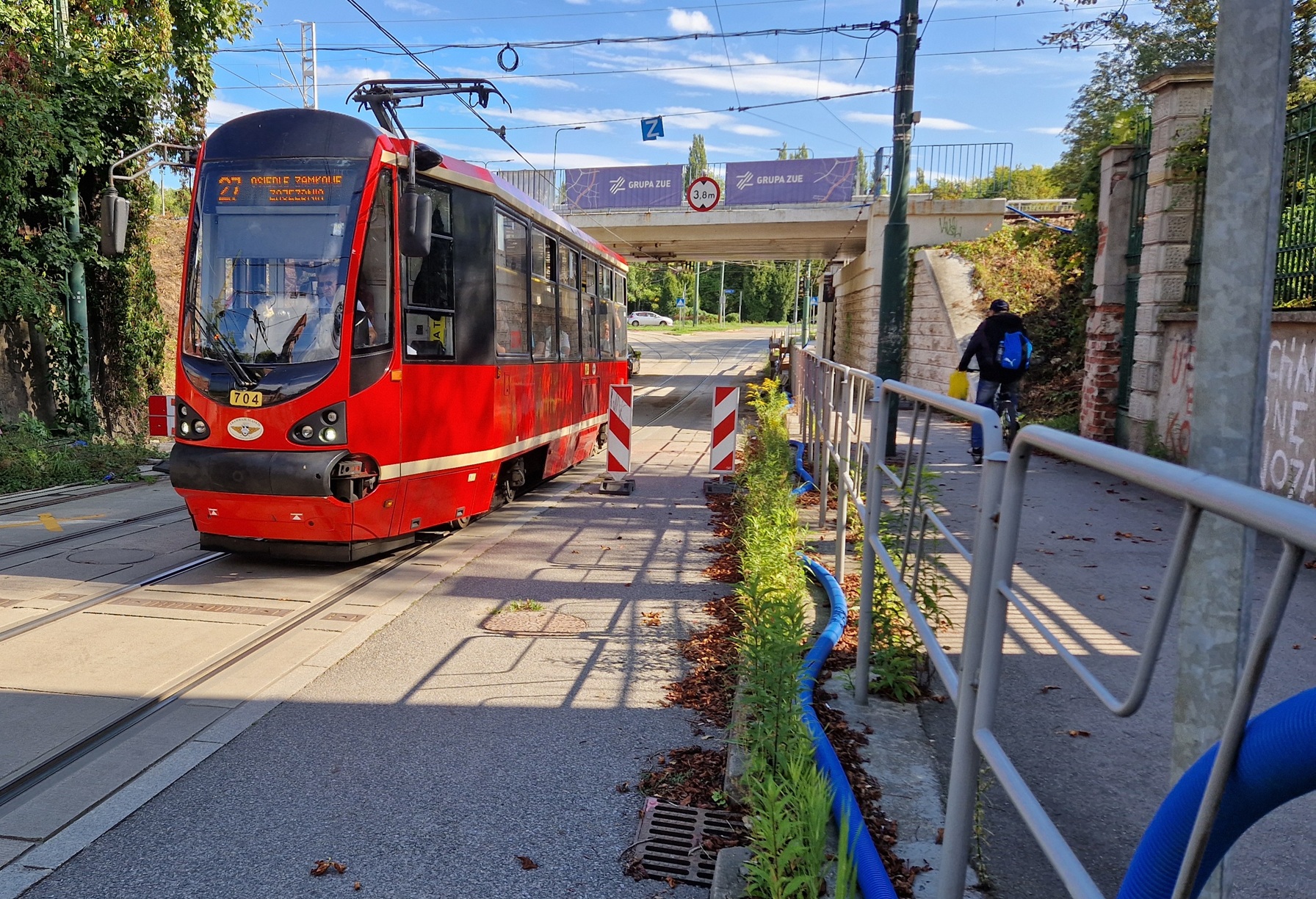
Zamknięcie przejazdu pod wiaduktem w Sosnowcu. Linie 21 i 27 pojadą krótszymi trasami
21 września wyłączone zostaną przejazdy pod wiaduktem kolejowym przy ul. Żeromskiego w Sosnowcu. Dla pasażerów oznacza to zmiany w komunikacji miejskiej na 11 liniach tramwajowych w kilku miastach Górnośląsko-Zagłębiowskiej Metropolii. Najważniejsze modyfikacje dotyczą linii 21 i 27.
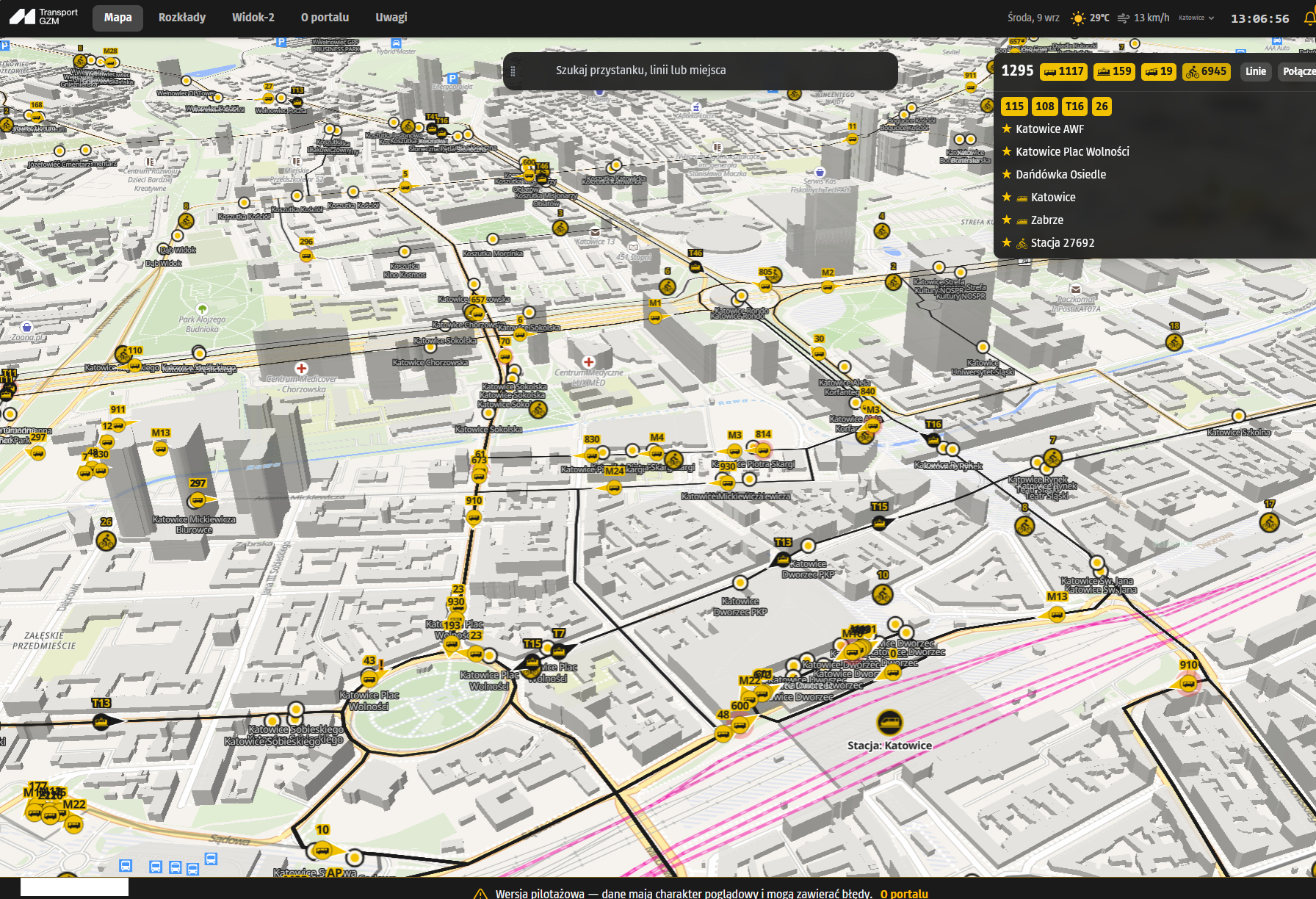
Sztuczna inteligencja pomaga tworzyć transport bardziej przyjazny pasażerom. Rusza pilotaż nowego portalu
Zarząd Transportu Metropolitalnego uruchamia pilotaż trzeciej wersji portalu Systemu Dynamicznej Informacji Pasażerskiej. To kolejny krok w pracach nad rozwiązaniem, które w jednym miejscu będzie łączyć informacje o różnych środkach transportu – nie tylko autobusach, tramwajach i trolejbusach, ale również pociągach i Metrorowerze. Przy tworzeniu nowego portalu wykorzystano narzędzia sztucznej inteligencji. ZTM zachęca pasażerów do przesyłania uwag i sugestii dotyczących jego funkcjonowania.
 Zmiana ustawień prywatności - akceptacja cookies